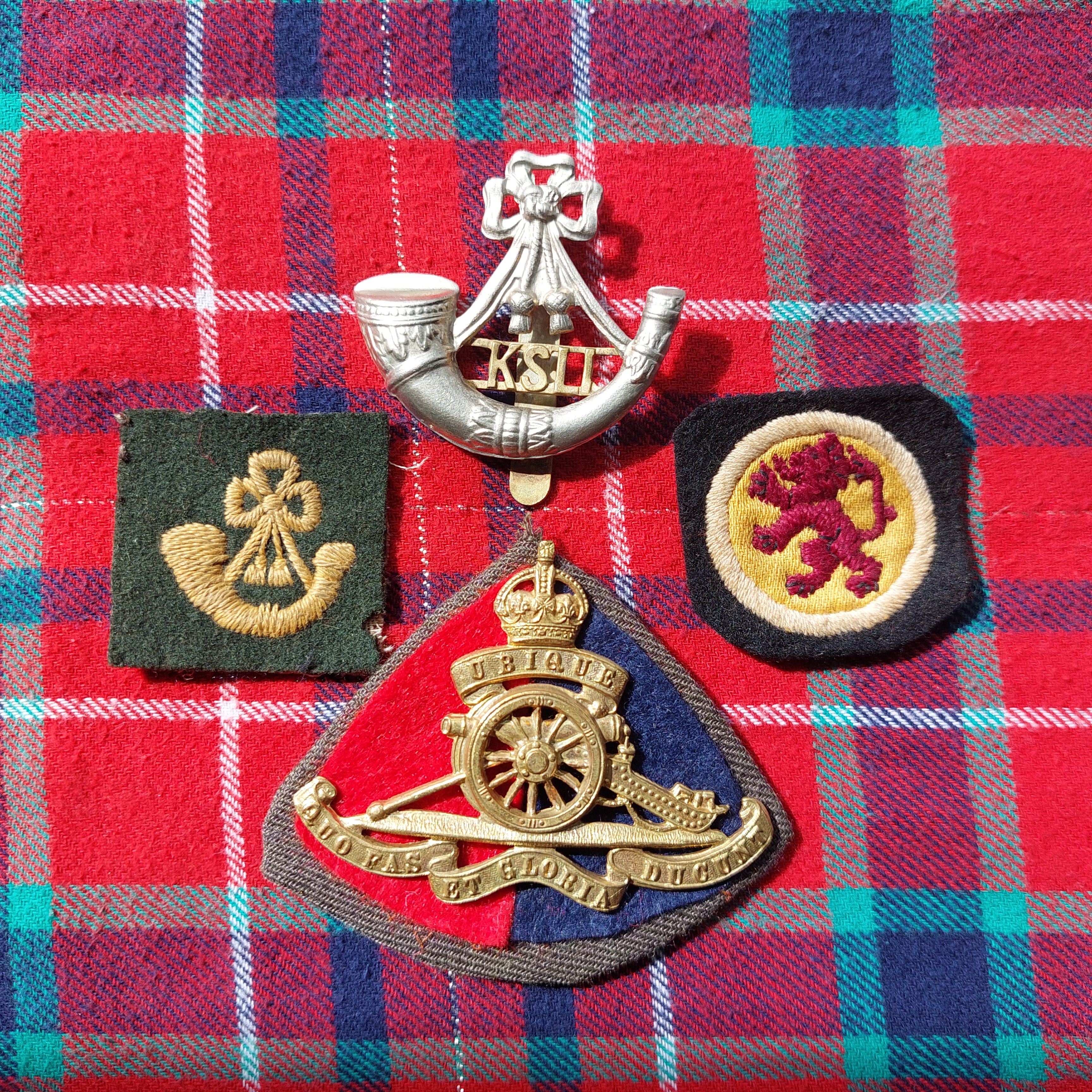
43 men belonging to either the 6th battalion KSLI or 181 field regiment died, either – on active service or, were killed in action. 18 were killed or died whilst training in the U.K, and are buried in or close to their hometown or village. The remainder were killed or died of wounds whilst abroad, and as was the tradition in the previous wars, were buried where they fell, and later interred in Commonwealth War Graves throughout Europe. 4 men are buried in Germany, killed, close to the war’s end. Probably the most tragic recorded on 9th May, the day after the German army surrendered. This poor man who had come through the fighting unscathed, died while the men were celebrating their victory. The last recorded death in October 1945 was Major S.M. Sharp who died in hospital after contracting ‘Infantile paralysis’. I had listened to the personal stories from the men who had literally, to pick up the pieces when their comrades had been killed, so after my book was published, I felt that the only thing left to do was visit the graves of the fallen and pay my respects.
In three visits 2003/4/6 together with my brother – Chris, we visited every grave across the campaign, visiting war graves in France, Belgium, Holland, and Germany. Leaving a single poppy. I’m sure that our father would have been very pleased. But there were others who died, not too many years after the war was over, due to the terrible wounds they received. How many? We don’t know because they have no war memorial. And others too that suffered from constant nightmares and flashbacks of the terrible sights they had seen during the fighting. Today it goes by the name of Post-traumatic stress disorder (PTSD) these men were sent home unsupported and told to get on with their lives and put the war behind them.

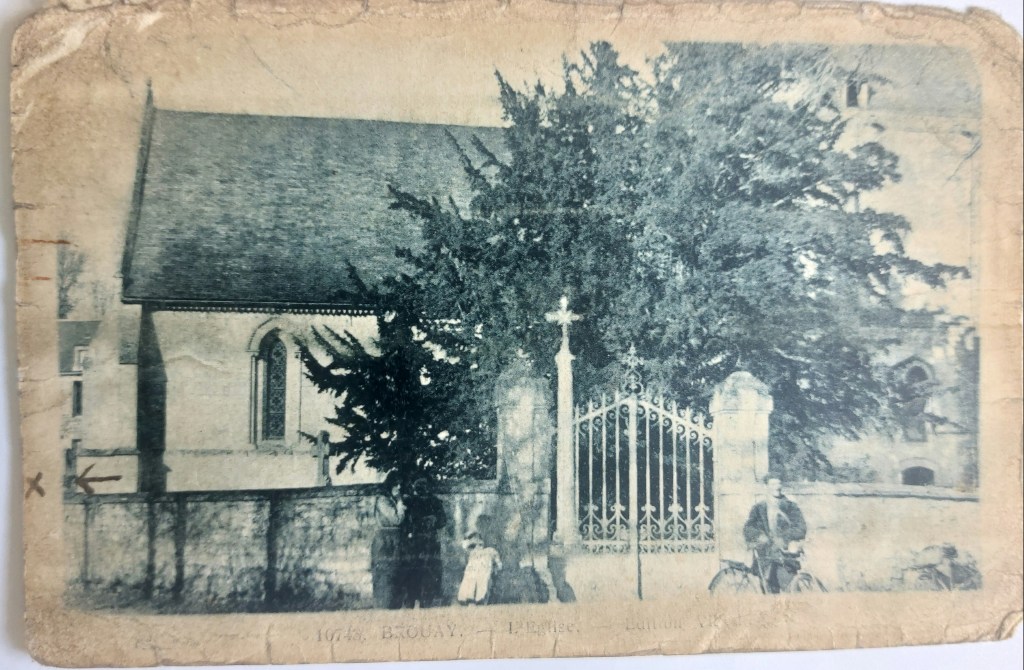
Inside the churchyard at Brouay – the bodies of Gunn, Wheaton and McMorland were buried alongside this wall before being transferred to the War Cemetery.
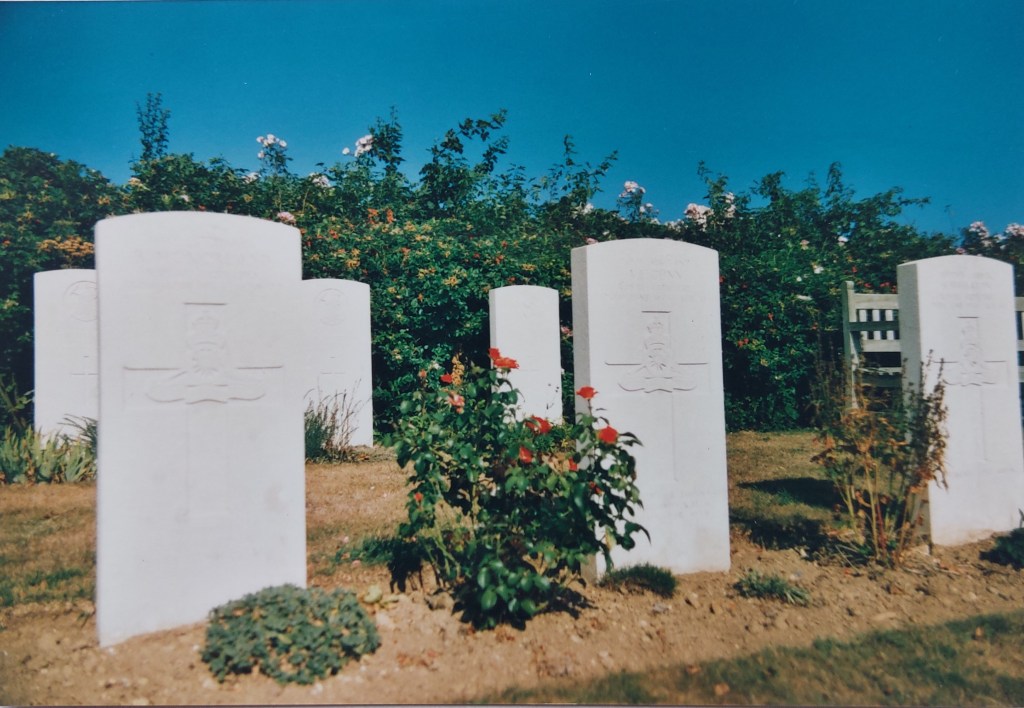
Brouay War Cemetery – Sgt Arthur Gunn, Gnr Ralph McMorland and Gnr Stanley Wheaton killed in action. A. Sub: C troop: 178 bty; 181 field regiment.
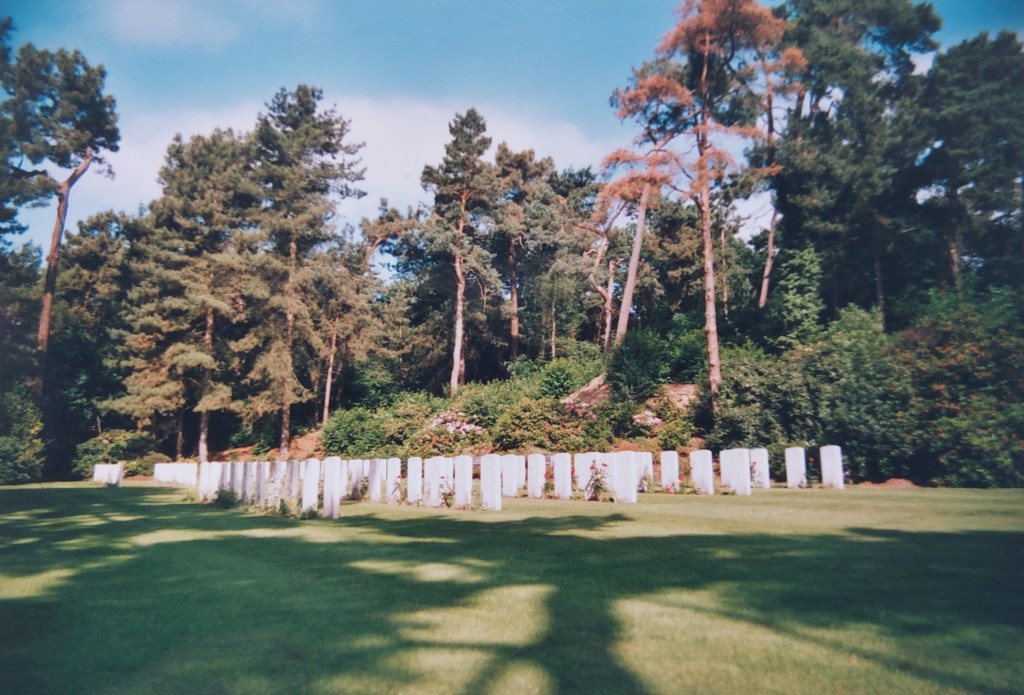
The Commonwealth War Grave Cemetery at Kasterlee, Belgium only 100 graves.

Jerusalem War Cemetery: Chouain, Normandy. Jack Banks the youngest soldier killed in action in the British Army. Durham Light Infantry. Killed with the 8bn Durham Light infantry. His mom tried to get him back because he was under age but he couldn’t be located. 8bn DLI landed D.Day about Midday.

Tilly-Sur-Selles War Cemetery – Julian Cory Wright killed on the first day in action by a Mortar round I/C B Troop 181 Field Regiment. The only officer killed in action with the regiment.
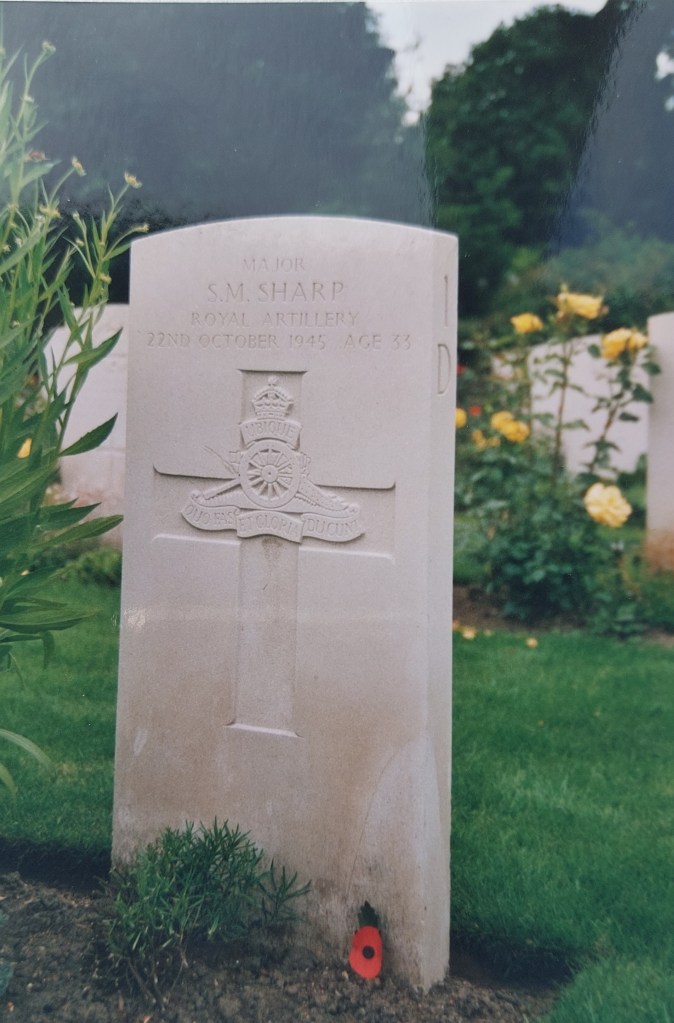
Having survived the war Major Sharp died in a Hamburg hospital with Polio.

The Regiment’s Medical Officer a young man of 24 was killed whilst recovering the body of his orderly Gnr Marklew.
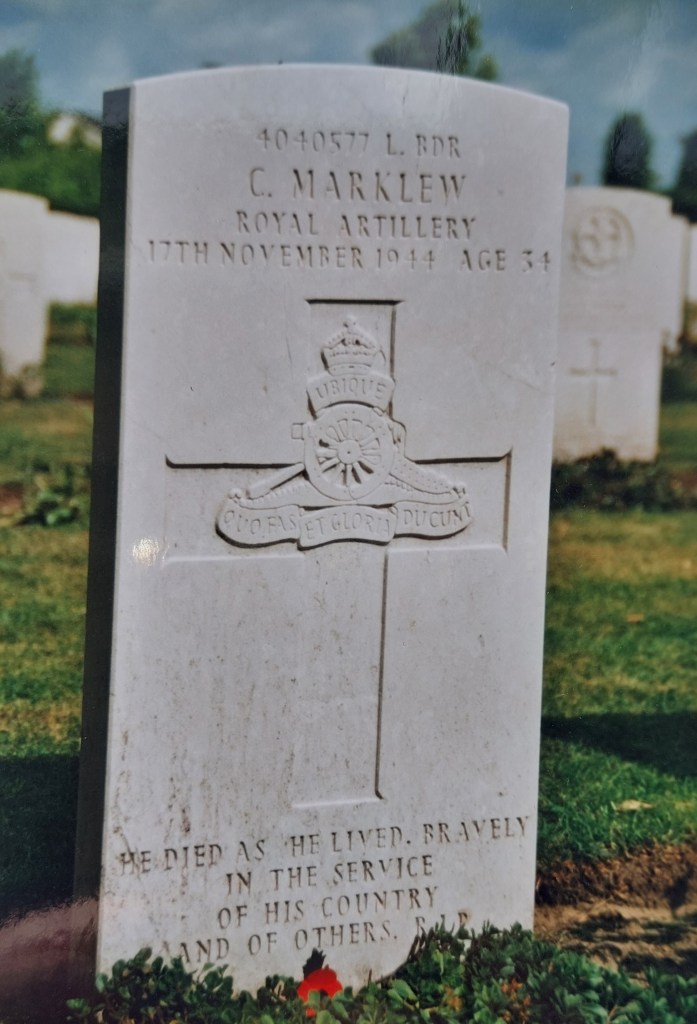
Gnr Marklew killed in a minefield whilst recovering a body – The Medical Officer’s Orderly

Edward Evans from Rhuddlan N. Wales. The last man to die in action with 181 field regiment.
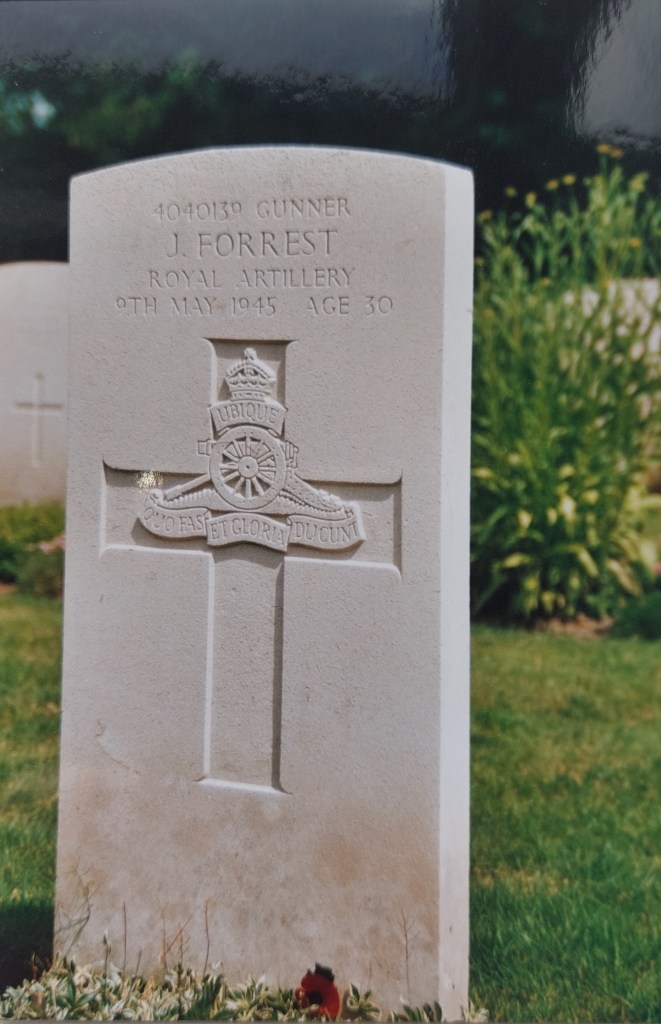
Actually his death was recorded on 8th May – V.E Day! A tragic accident.

No 8 Lock Muese – escaut Canal Aart – where Major T.P Wood R.E proposed to bridge the canal – awarded the Military Cross.

Gheel – The church of St Dymphna where Gnrs Adams and Evans were originally buried by (Captain) Rev. David Cairns.
Below : A contemporary post card of the church at Brouay c.1930’s . The cross indicates where Sgt.Gunn, & Gnr’s Wheaton & McMorland were buried inside the church wall. (see top of the page). below – the same same shot taken when we visited in 2003.
Bottom, (not to scale) are the maps of all the war grave cemeteries we visited. Normandy 2003/4 , Belgium, Holland and Germany 2006. The Cemetery at Chouain – Jerusalem, was not on our list, but we stopped off as it was on the side of the road. A tiny plot and we were shocked to see the the grave of 16 year old Jack Banks – see story above


 Guns and Bugles